
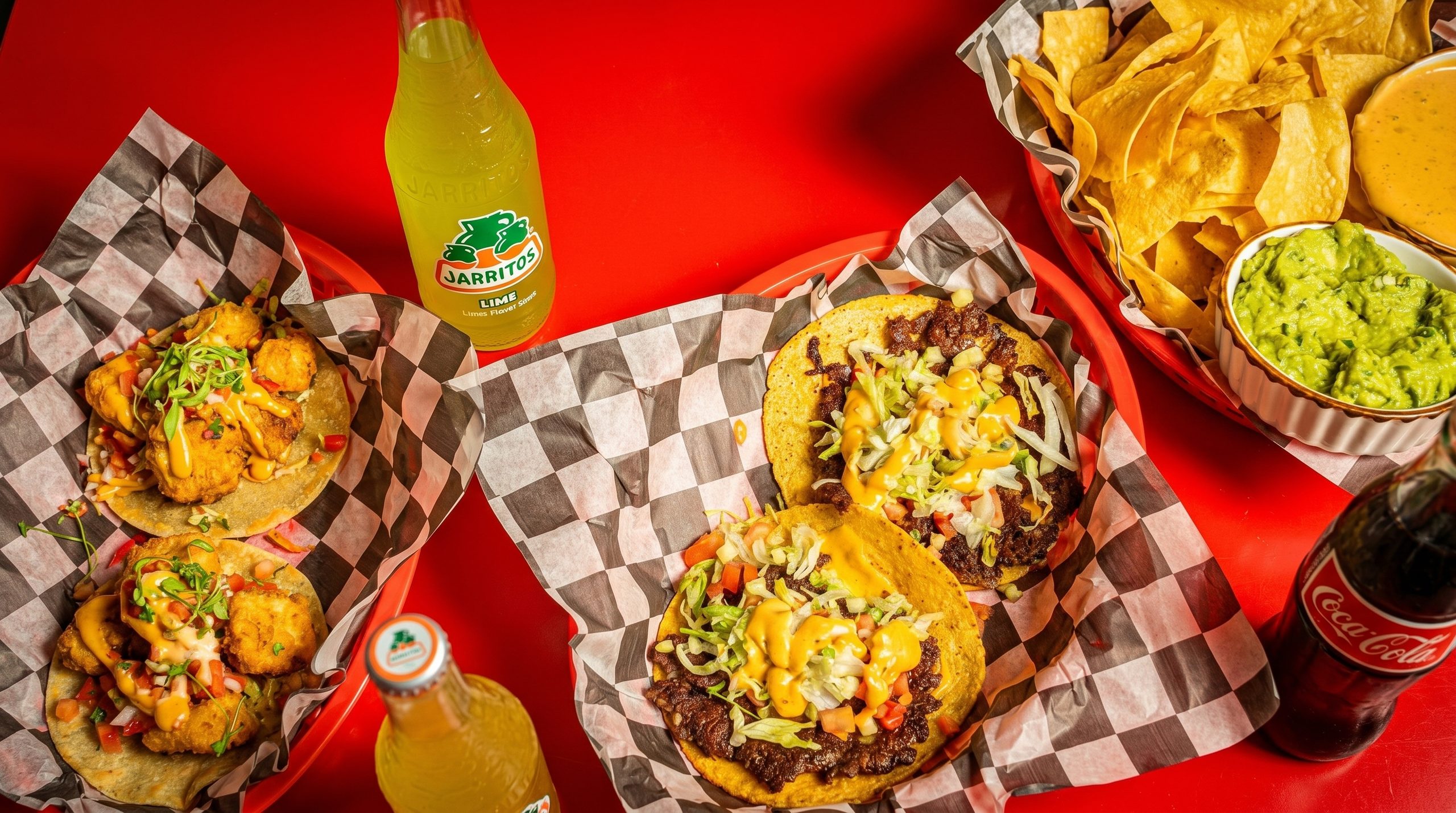
Authentic Tacos 50 Dalton Street: El Barco Back Bay's Mexican Soul Food Experience
Looking for authentic tacos 50 Dalton Street? El Barco Back Bay delivers Mexican soul food in Boston's Prudential Center area. Hand-pressed tortillas meet slow-braised fillings here, where family…
Looking for authentic tacos 50 Dalton Street? El Barco Back Bay delivers Mexican soul food in Boston's Prudential Center area. Hand-pressed tortillas meet slow-braised fillings here, where family recipes replace shortcuts and every taco receives proper attention.
Location matters. At 50 Dalton Street, you're steps from the Prudential Center, the Hynes Convention Center, and Boylston Street's activity. Step inside El Barco and the energy changes. The space has the warmth of a family kitchen in Guadalajara, not corporate polish. The open kitchen lets you watch tortillas press and fillings sizzle. The air smells like cilantro, lime, and charred meat.
El Barco's tacos stand apart through their fundamentals. Every tortilla is pressed by hand, daily. The fillings simmer for hours using traditional techniques. Fresh citrus brightens each bite. Nothing comes from a bag or a can. This approach takes more time and costs more money, but it's the only way to deliver what people mean when they search for authentic tacos.
The restaurant doesn't try to be everything to everyone. No fusion experiments, no "elevated" takes that strip away soul. Just honest Mexican cooking done right. When you're craving real tacos at 50 Dalton Street, this is your answer.
What Makes El Barco's Tacos Authentically Mexican
The word "authentic" gets thrown around carelessly in restaurant marketing. At El Barco, it's a commitment visible in every taco that leaves the kitchen.
Start with the tortillas. Most restaurants buy pre-made tortillas from a supplier, warm them on a griddle, and call it a day. El Barco presses each tortilla to order using fresh masa. You can watch from your table: a ball of dough hits the press, flattens into a perfect circle, then hits a hot comal until it puffs and chars in spots. The whole thing takes maybe two minutes. You get a tortilla that's still warm, slightly elastic, with corn flavor that actually tastes like corn. It's the foundation that makes everything else work.
The fillings follow the same philosophy. Take the carnitas—pork shoulder that braises for hours until it falls apart at the touch of a fork. The meat cooks in its own fat with orange, cinnamon, and bay leaves. No shortcuts, no pressure cookers trying to fake the texture. You get tender meat with crispy edges where it hits the griddle before serving. The barbacoa uses beef cheeks that simmer until they're spoon-tender, soaked in a chile-spiked broth that's been building flavor since early morning.
These techniques take time. They're the same methods home cooks in Mexico have used for generations, scaled up for restaurant service but never compromised. The difference between this and Americanized Mexican food is the difference between a slow-cooked stew and a microwave dinner. Both might have similar ingredients listed, but the execution changes everything.
Fresh citrus appears in nearly every taco. Lime juice brightens the meat, orange adds sweetness to the marinades, and a squeeze of fresh lime at the table ties everything together. This isn't garnish—it's integral to how the flavors balance. Mexican cuisine uses acid the way French cooking uses butter, and El Barco respects that principle.
The toppings stay simple because the fillings don't need much help. Chopped white onion, fresh cilantro, maybe some radish slices for crunch. No shredded lettuce, no sour cream drowning everything, no cheese that doesn't belong. Each element has a purpose. The onion adds bite, the cilantro brings freshness, the radish provides texture. Together with the meat and tortilla, you get a complete bite that doesn't need explanation.
This is Mexican soul food—cooking that prioritizes flavor and tradition over trends. It's the food people eat in Mexico, not the version adjusted for American expectations. When you bite into one of these tacos at 50 Dalton Street, you're tasting recipes refined over decades, techniques that work because they've survived the test of time.
The Hand-Pressed Tortilla Difference
The tortilla is the taco. Everything else—the filling, the toppings, the salsa—matters, but if the tortilla fails, the whole thing falls apart. El Barco presses every single tortilla by hand, to order, throughout service.
Most Mexican restaurants use tortillas that came from a bag. They're uniform, shelf-stable, and convenient. They're also lifeless. Store-bought tortillas have the texture of cardboard and taste like nothing. They're a vehicle, not a component. Machine-made tortillas from a supplier are better, but they still lack the character of something made by hand.
Hand-pressed tortillas have texture. The edges are slightly irregular. The thickness varies by a fraction of a millimeter from one side to the other. When they hit the hot comal, they don't cook evenly—they char in spots, creating little pockets of toasted corn flavor. They puff up as steam builds inside, creating layers that give the tortilla structure. When you fold one around a filling, it bends without breaking. When you bite through it, you get resistance before it yields.
The flavor difference is just as important. Fresh masa has a sweet, earthy taste that fades within hours of pressing. By the next day, it's muted. By the time a tortilla has been packaged, shipped, and stored, that flavor is gone entirely. At El Barco, the time between pressing and eating might be five minutes. You taste the corn.
The process requires skill. Press too hard and the tortilla is too thin, prone to tearing. Press too lightly and it's thick and doughy. The masa needs the right moisture content—too dry and it cracks, too wet and it sticks. The comal needs to be the right temperature—too hot and the outside burns before the inside cooks, too cool and you get a pale, floppy mess. The cooks at El Barco have made thousands of tortillas. They know by feel when everything is right.
This level of care costs money and time. It would be cheaper and faster to buy pre-made tortillas. But El Barco's commitment to authentic tacos at 50 Dalton Street means doing it right, even when doing it right is harder. The tortilla is where authenticity starts. Get that wrong and nothing else matters. Get it right and you've built a foundation that makes every other element shine.
Mexican Soul Food: The Story Behind the Recipes
"Mexican soul food" isn't just marketing language at El Barco—it's a philosophy that shapes every dish. The term captures something specific: food that carries emotional weight, that connects to family and memory, that prioritizes comfort and flavor over presentation.
Soul food, whether it's Southern American or Mexican, comes from home cooking traditions. These are recipes that grandmothers made, that mothers adapted, that get passed down with adjustments and improvements. They're not restaurant inventions designed to photograph well. They're dishes that fed families, that marked celebrations, that provided comfort after hard days.
At El Barco, this means traditional recipes executed with care. The carnitas technique comes from Michoacán, where pork has been cooked in copper pots for centuries. The salsa verde balances tomatillos, serrano chiles, and cilantro in proportions refined over time. The rice and beans aren't afterthoughts—they're made with the same care as the main dishes because in Mexican home cooking, every element matters.
This approach stands apart from standard Mexican restaurant fare in several ways. Many Mexican restaurants in the US serve what could be called "Mexican-American" food—dishes that were invented or heavily modified for American tastes. There's nothing wrong with that food, but it's not the same as what people eat in Mexico. Combination plates piled with rice, beans, and multiple items covered in cheese and sour cream are an American invention. So are most "fajitas" as served in US restaurants. These dishes have their place, but they're not Mexican soul food.
Mexican soul food is simpler and more focused. A taco has a tortilla, a filling, and minimal toppings. The filling is the star. The preparation is straightforward but executed with care. The flavors are bold—chiles, citrus, cilantro, garlic—but balanced. Nothing is hidden under melted cheese or drowned in sauce.
The cultural significance runs deep. In Mexico, food is how families connect. Sunday afternoons mean gathering for a long meal. Celebrations center around specific dishes. Street vendors serve tacos that people have been eating the same way for decades. This food carries history and identity. When El Barco commits to Mexican soul food at 50 Dalton Street, they're honoring that tradition and bringing it to Boston.
You're not just eating tacos—you're tasting recipes that mean something, prepared by people who respect where they came from. That emotional connection, that sense of authenticity, turns a good meal into a memorable one.
Taco Night, Every Night at 50 Dalton Street
El Barco has become the default answer for taco cravings in the Prudential and Back Bay area. Whether it's Tuesday or Saturday, whether you're solo or with a group, the restaurant delivers consistent quality that makes it worth returning to regularly.
The atmosphere balances casual and intentional. This isn't a fast-casual spot where you order at a counter and bus your own table, but it's also not stuffy or formal. You can come in jeans and a t-shirt or dress up for a date night. The energy is lively without being loud, social without being chaotic.
For regular taco nights, El Barco solves the "where should we go?" question that plagues friend groups and couples. You know what you're getting: hand-pressed tortillas, slow-braised fillings, fresh ingredients. The menu is focused enough that decision-making is easy but varied enough that you can try something different each visit. The consistency matters—you're not gambling on whether tonight's batch will be good. It will be.
Date nights work here because the food is interesting enough to talk about but not so fussy that it becomes the whole focus of the evening. You can share tacos, try different fillings, and have a conversation without worrying about formal service or complicated preparations. The craft cocktails and tequila list add sophistication without pretension.
Group gatherings thrive at El Barco because tacos are inherently social food. Everyone orders a few different kinds, plates get passed around, and the meal becomes communal. The portions are sized right for sharing. The pacing works for groups—tacos come out as they're ready rather than forcing everyone to wait for a synchronized delivery. The energy in the room supports conversation and laughter.
The location at 50 Dalton Street makes it convenient for anyone in the Back Bay, Prudential Center, or Fenway area. You can walk from most nearby hotels, offices, and residential buildings. Parking is available in the Prudential Center garage. The T stops at Prudential or Hynes put you within a few minutes' walk. Accessibility matters when you're deciding where to eat, and El Barco makes it easy.
What keeps people coming back is the reliability. Authentic tacos at 50 Dalton Street means the same quality whether you visit on a Monday lunch or a Saturday dinner. The tortillas are always hand-pressed, the meat is always slow-braised, the citrus is always fresh. That consistency turns first-time visitors into regulars.
Fresh Citrus in Every Taco: A Signature Touch
Fresh citrus is essential at El Barco. It's not a garnish you can skip or an optional squeeze from a plastic lime. It's built into the cooking process and finishes every taco with brightness that makes the flavors pop.
In Mexican cuisine, citrus is fundamental. Lime juice acts as a marinade for meats, breaking down proteins and adding acidity that balances rich, fatty cuts. Orange juice sweetens and tenderizes, particularly in dishes like carnitas where it combines with the pork fat to create complex flavor. Citrus zest adds aromatic oils that smell as good as they taste. At the table, a squeeze of lime over a finished taco brings all the elements together—it brightens the meat, cuts through any richness, and adds a fresh note that makes you want another bite.
El Barco uses fresh citrus throughout their preparations. The carnitas braise with orange slices that caramelize as the pork cooks, adding sweetness and acidity to the meat. The carne asada marinates in lime juice, garlic, and chiles before hitting the grill. The salsas balance tomatillos or tomatoes with lime juice to achieve the right acidity. Even the guacamole made tableside gets a generous squeeze of lime to keep the avocado from browning and to add brightness to the rich, creamy base.
This attention to detail demonstrates a commitment to authenticity. Using bottled lime juice or skipping citrus entirely would be faster and cheaper. But it would also strip away a fundamental component of Mexican cooking. Fresh citrus has oils and complexity that bottled versions lack. The difference is noticeable in every bite.
The role of citrus extends beyond flavor. It's part of the sensory experience. The smell of lime hits you before you taste the taco. The slight sting of acid on your tongue wakes up your palate. The brightness makes you notice the other flavors more clearly—the earthiness of the corn tortilla, the richness of the meat, the heat from the chiles. Citrus ties everything together and makes you want to keep eating.
At 50 Dalton Street, this commitment to fresh citrus is part of what makes El Barco's tacos authentically Mexican. It's a small detail that has a big impact, the kind of thing that separates good tacos from great ones.
Planning Your Visit to El Barco Back Bay
Finding authentic tacos at 50 Dalton Street is straightforward once you know where you're going. El Barco sits in the Prudential Center area, easily accessible whether you're walking, driving, or taking public transit.
If you're coming by T, get off at Prudential on the Green Line E branch or Hynes Convention Center on the Green Line B, C, or D branches. From Prudential, you're about a three-minute walk. From Hynes, maybe five minutes. The restaurant is on Dalton Street between Boylston and Belvidere, in a stretch that's easy to miss if you're not looking for it but obvious once you know it's there.
Driving works if you're coming from outside the city. Park in the Prudential Center garage—it's the most convenient option and puts you right in the neighborhood. Street parking exists but is competitive and metered. The garage is worth the cost for the convenience.
For reservations, calling ahead is smart for dinner, especially Thursday through Saturday. The restaurant fills up, and while they do accept walk-ins, you might wait during peak times. Lunch and early dinner are usually easier to snag a table without a reservation. If you're planning a weekend visit or coming with a group larger than four, definitely reserve.
The best times to visit depend on what you're looking for. Lunch service is quieter, good for business meetings or a focused meal. Early dinner (5:30-6:30 PM) gives you a more relaxed experience before the rush. Peak dinner (7:00-9:00 PM) brings energy and a full room—the atmosphere is part of the experience.
First-time visitors should know what to expect. The space is lively, not quiet. The open kitchen means you'll hear and smell the cooking. Service is attentive but not hovering—they'll explain the menu if you ask but won't pressure you. The pacing is relaxed; this isn't a place to rush through a meal. Plan for at least an hour if you're having a full dinner.
Dress code is casual. Boston can be uptight about these things, but El Barco isn't. Come as you are. The crowd is mixed—tourists, locals, business people, couples, groups of friends. Everyone's there for the same reason: tacos that deliver on the promise of authentic Mexican soul food.
Beyond Tacos: The Full El Barco Experience
While tacos are the star at 50 Dalton Street, El Barco offers a complete Mexican soul food experience. The menu extends to other traditional dishes that receive the same careful treatment as the tacos.
The quesadillas use the same hand-pressed tortillas, folded around Oaxacan cheese that melts into strings when you pull the halves apart. You can add fillings—mushrooms, chorizo, chicken—but even the plain cheese version is worth ordering. The tortilla gets crispy on the outside while staying soft where the cheese holds it together. Served with salsa verde and crema, it's comfort food that doesn't feel heavy.
Tortas are Mexican sandwiches that don't get enough attention in Boston. El Barco makes them right: telera rolls that get toasted until crispy, then loaded with your choice of meat, refried beans, avocado, pickled jalapeños, and crema. The bread-to-filling ratio is perfect. These are messy, satisfying sandwiches that work for lunch when you want something more substantial than tacos but don't want to commit to a full sit-down meal.
The pozole is a weekend special worth planning around. This traditional soup has hominy and pork in a red chile broth that's been simmering for hours. It comes with a plate of garnishes—shredded cabbage, radishes, oregano, lime—that you add to customize each spoonful. It's the kind of dish that Mexican families make for celebrations, and El Barco's version respects that tradition.
Rice and beans here aren't filler.